Web Server Hosting: What It Is, How It Works, and the Best Plans for 2026

In today’s digital world, web server hosting is the backbone of every online presence. Whether you’re launching a personal blog, running an eCommerce store, or managing an enterprise website, the performance, speed, and security of your site all depend on the quality of your hosting service.
Understanding what web server hosting is, how it works, and which type best suits your needs is essential to building a reliable and scalable online platform. In this guide, we’ll explore everything you need to know about web server hosting—from the different hosting types to SEO impact and expert tips for choosing the right provider.
What Is Web Server Hosting?
Web server hosting is the service that enables websites to be accessible via the internet. It involves using a powerful server—either physical or virtual—to store website files, process user requests, and deliver content to browsers.
When you type a website URL into your browser, your request is routed to a web server that hosts the site. This server then sends the necessary HTML, CSS, JavaScript, images, and data back to your browser to render the site.
Types of Web Hosting Services
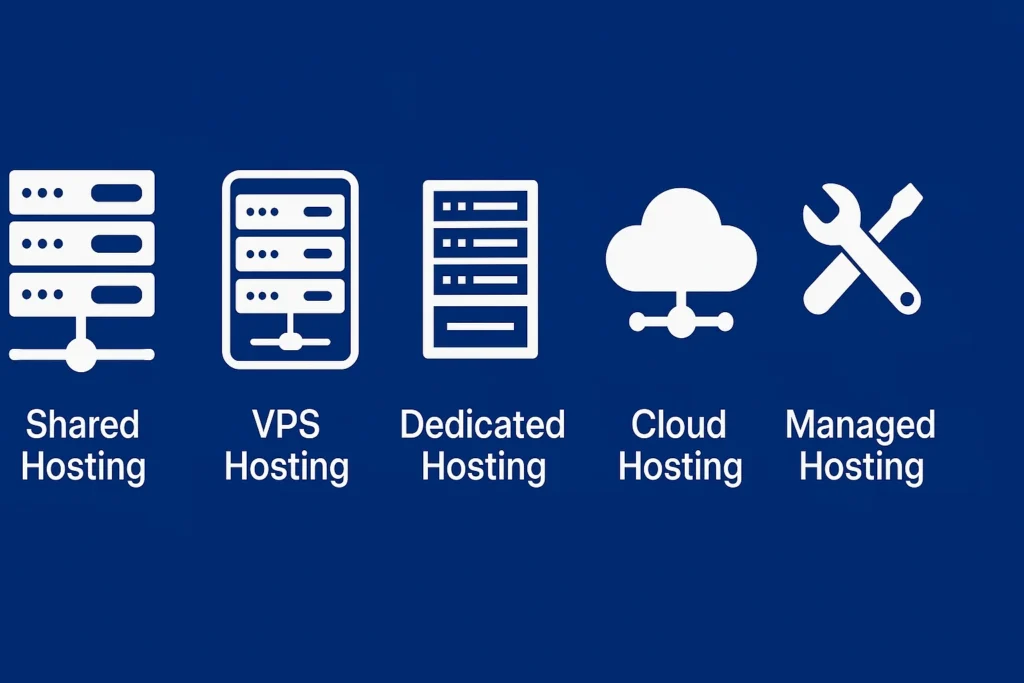
Understanding the different types of hosting is essential for selecting the right solution for your business. Here are the most common hosting types:
Shared Hosting
- Multiple websites are hosted on the same server.
- Cost-effective and beginner-friendly.
- Limited resources and performance due to sharing.
Virtual Private Server (VPS) Hosting
- Your website is hosted on a virtualized server.
- Offers dedicated resources like CPU, RAM, and storage.
- Ideal for growing websites with moderate traffic.
Dedicated Server Hosting
- You rent an entire physical server.
- Best for high-traffic websites, web apps, or enterprise platforms.
- Full control, customization, and maximum performance.
Cloud Hosting
- Uses multiple interconnected servers in a cloud environment.
- Scalable, flexible, and resilient to traffic surges.
- Pay-as-you-go pricing model.
Managed Hosting
- Hosting provider handles server maintenance, updates, security, and backups.
- Commonly used with WordPress or enterprise solutions.
- Perfect for non-technical users or busy businesses.
Key Features of Reliable Web Server Hosting

Choosing the right hosting provider can greatly impact your site’s uptime, speed, and security. Look for these essential features:
High Uptime Guarantee
An ideal web hosting provider offers a 99.9% uptime SLA (Service Level Agreement), ensuring your site remains accessible at all times.
SSD Storage
Solid-state drives (SSDs) significantly improve loading times and server response speed compared to traditional HDDs.
Scalability
Your hosting should scale with your growth. Look for platforms that allow seamless resource upgrades.
SSL Certificates
Security is a top priority. A free or premium SSL certificate ensures encrypted connections and boosts search rankings.
Automated Backups
Daily or weekly backups protect your data and ensure fast recovery in case of issues.
cPanel or Custom Control Panel
An intuitive control panel allows for easy management of domains, emails, databases, and files.
How Web Hosting Affects SEO

Many website owners overlook how web hosting affects SEO. However, search engines factor in site performance, security, and user experience when ranking websites.
Speed Matters
Slow-loading websites result in higher bounce rates and lower rankings. Google has confirmed that site speed is a ranking factor.
Server Location
Hosting your website near your target audience improves load times and can positively impact local SEO efforts.
Downtime Hurts Visibility
Frequent server outages send negative signals to search engines. A reliable host with minimal downtime is critical.
HTTPS Is Mandatory
Google gives preference to secure websites. Hosting providers that support SSL/TLS make it easy to enable HTTPS.
Choosing the Right Web Server Hosting Provider
Selecting a hosting company involves more than just comparing prices. Here are key factors to consider:
| Feature | Why It Matters |
|---|---|
| Uptime Guarantee | Affects SEO and user experience |
| Support Availability | 24/7 support ensures rapid issue resolution |
| Data Center Locations | Proximity improves site speed |
| Resource Allocation | Ensure adequate RAM, CPU, and storage |
| Security Features | Includes firewalls, DDoS protection, malware scans |
| Backup Options | Essential for disaster recovery |
Recommended Use Cases for Each Hosting Type
| Hosting Type | Best For |
|---|---|
| Shared Hosting | Small blogs, personal websites, hobby projects |
| VPS Hosting | Mid-sized businesses, eCommerce, custom apps |
| Dedicated Hosting | Large enterprises, high-traffic platforms |
| Cloud Hosting | Startups, scalable SaaS platforms |
| Managed Hosting | Non-tech users, WordPress, WooCommerce websites |
Common Terms You Should Know
- HTTP/HTTPS: Protocols for data exchange over the web.
- DNS (Domain Name System): Maps domain names to IP addresses.
- Bandwidth: The amount of data transferred between users and your site.
- cPanel: A popular dashboard for managing hosting environments.
- SSL/TLS: Protocols for securing internet connections.
Tips for Optimizing Hosting Performance
To get the most out of your web hosting:
- Enable caching via server or plugins.
- Use a CDN (Content Delivery Network) to speed up delivery.
- Regularly update CMS and plugins.
- Optimize your images and scripts for faster load times.
- Monitor server logs and uptime metrics.
Web Hosting Pricing Overview
Hosting prices vary depending on server resources, support, and performance:
- Shared Hosting: $2 – $10/month
- VPS Hosting: $10 – $70/month
- Dedicated Hosting: $80 – $300+/month
- Cloud Hosting: Pay-as-you-go, $5 – $100+/month
- Managed Hosting: $20 – $150/month
Final Thoughts on Web Server Hosting
Web server hosting is the foundation of every online presence. Whether you’re running a blog, launching a startup, or managing an enterprise platform, the right hosting solution ensures speed, security, and scalability.
By understanding your technical needs and business goals, you can select a web hosting provider that empowers your website to thrive online. Investing in the right hosting today can prevent costly issues down the road—and boost your SEO and user experience at the same time.