
Server PlusRemoved: Modern Server Hosting and Backup Solutions
In today’s digital-first world, businesses rely more than ever on powerful hosting environments and reliable backup strategies. Whether you are running a small e-commerce site or managing complex enterprise applications, your choice of hosting and data protection tools can define your online success.
From Dedicated Server Hosting to Windows Server Backup Software, and from cloud-based hosting services to offsite backup solutions, the modern IT landscape offers an array of technologies designed to keep your business online, secure, and scalable. This guide will help you navigate these options, understand their benefits, and choose the right solutions for your needs.
Understanding the Modern Server Landscape
At the core of every online business is a server. A server is the physical or virtual machine that stores, processes, and delivers data to users. Modern hosting environments can take many forms — from Web Server Hosting for small websites to dedicated web server solutions for high-traffic enterprise platforms.
A managed server takes the burden of server administration off your team by having a provider handle updates, security patches, monitoring, and optimization. This is a great choice for companies without an internal IT team or those that want to focus on growth rather than server maintenance.
The Role of Dedicated Server Hosting in Business Performance

Dedicated Server Hosting means that an entire physical server is reserved exclusively for your business. Unlike shared hosting, where multiple users compete for resources, a dedicated web server provides full access to CPU, RAM, and storage capacity.
Advantages include:
- Maximum Performance – No shared resources ensure optimal speed.
- Full Customization – Configure your hardware and software exactly how you need it.
- Security – Isolated from other users, reducing exposure to security risks.
When managed by a provider, these become managed dedicated servers, offering the same power but with professional monitoring and maintenance. This variation is often called dedicated hosting managed server, where the provider ensures your environment is updated, secured, and performing at its best.
Virtual Private Servers and Windows-Based Hosting Options
A Virtual Private Server (VPS) is a hybrid between shared hosting and a dedicated server. It runs on a physical server but is partitioned into independent virtual environments, each with its own dedicated resources.
For businesses that rely on Microsoft technologies, server VPS Windows solutions combine the flexibility of virtualization with the familiarity of Windows Server. This is especially powerful for companies that use Microsoft-based software stacks, as it integrates seamlessly with existing systems.
Additionally, Windows Server Cloud solutions bring the advantages of virtualization into a fully cloud-based environment, offering easy scalability and high availability without the need for physical infrastructure. Whether you choose server VPS hosting or a dedicated machine, Windows-based options provide a familiar and secure ecosystem.
Cloud-Based Hosting Services for the Modern Era
A cloud based hosting service allows your website or applications to run on a network of interconnected servers rather than a single machine. This setup enhances redundancy — if one server fails, another takes over instantly — ensuring near-constant uptime.
Benefits include:
- Scalability – Instantly adjust resources as traffic changes.
- Cost Efficiency – Pay only for the resources you use.
- Global Reach – Distribute content faster across multiple geographic locations.
Cloud environments also complement Dedicated Server Hosting in hybrid setups, where critical workloads run on dedicated machines and flexible tasks run in the cloud.
File Hosting and Data Management Essentials
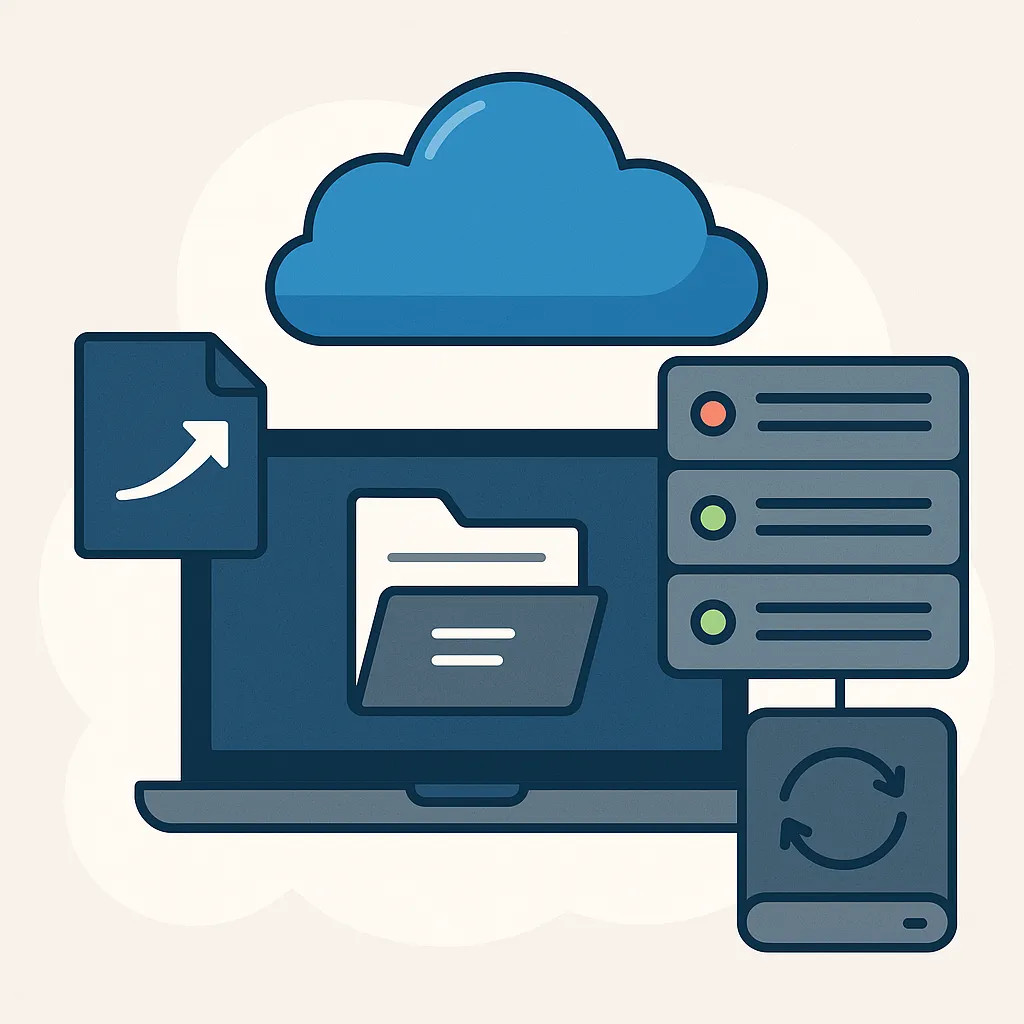
A file hosting service is an online platform that stores and serves files to users. While consumer-level options like Dropbox or Google Drive are popular, businesses require more robust, secure, and compliant solutions.
An online file backup system ensures that critical documents, databases, and application files are safely stored in remote locations. This reduces the risk of data loss due to local failures, natural disasters, or cyberattacks.
Online backup storage provides scalable capacity and accessibility from anywhere in the world, making it a vital component of modern IT infrastructure.
Backup Solutions and Disaster Recovery
No matter how powerful your hosting environment is, it’s only as good as your backup plan. Windows Server Backup Software is essential for organizations using Microsoft infrastructure. It automates the creation of backup images, allowing you to restore your server to a previous state in case of failure.
Offsite backup software stores copies of your data in a remote location, protecting it from on-premises disasters. Paired with an offsite backup service, it ensures that even if your primary site goes offline, your data is safe and recoverable.
Best practices for backup and disaster recovery include:
- Using both onsite and offsite backups.
- Scheduling backups regularly.
- Testing your recovery process to ensure it works when needed.
Enterprise-Level Management Tools
For large-scale enterprises, centralized control is critical. Oracle Management Server is a prime example of an enterprise-grade tool designed for database and application management. It allows IT teams to monitor performance, deploy patches, automate tasks, and manage user access from a single console.
By integrating with other infrastructure tools, it ensures that hosting environments, whether cloud-based or dedicated, remain stable and optimized.
How to Choose the Right Hosting and Backup Solution
When selecting your hosting and backup stack, consider:
- Performance Needs – High-traffic sites benefit from dedicated server web hosting.
- Budget – A managed server may cost more, but it saves time and reduces risk.
- Scalability – VPS and cloud solutions offer flexible resource scaling.
- Security Requirements – Evaluate data encryption, access control, and redundancy.
- Compliance – Industries like finance and healthcare require strict data handling procedures.
For businesses that require full control and peak performance, Dedicated Server Hosting or managed dedicated servers are ideal. Smaller businesses or those with variable traffic may benefit more from server VPS hosting or a cloud based hosting service.
Future Trends in Hosting and Backup Services
The future of hosting and backup solutions is evolving rapidly:
- AI-Driven Management – Predictive analytics to prevent downtime before it happens.
- Edge Computing – Processing data closer to the source for faster results.
- Stronger Cybersecurity – Advanced encryption, zero-trust architectures, and AI threat detection.
- Hybrid Cloud – Seamless integration between dedicated web server setups and cloud infrastructure.
The right combination of hosting and backup solutions can make or break your online operations. From Windows Server Backup Software to Dedicated Server Hosting, and from offsite backup service to server VPS Windows solutions, the key is to align technology with your business goals.
By investing in the right infrastructure today, you ensure that your website, applications, and data remain secure, scalable, and ready for whatever the future brings.